
Dentures Cambridge: Separating Myths from Facts
Dentures Cambridge: Separating Myths from Facts
Thinking about dentures in Cambridge can feel overwhelming, especially with so much conflicting information online. Many patients at Prospect Dental Group Cambridge come to us with questions based on outdated ideas or misconceptions they’ve heard from friends. Dr. James Tse believes that understanding the truth about modern dentures helps you make confident decisions about your oral health.
This late spring season brings fresh starts—graduations, Mother’s Day celebrations, and planning for summer gatherings. It’s also the perfect time to address dental concerns that may have been holding you back from smiling with confidence. Let’s clear up some common myths about dentures and explore the facts that matter most to Cambridge residents.
Myth: Dentures Look Fake and Everyone Will Know You’re Wearing Them
This is one of the most persistent myths about dentures. Many people picture the overly white, unnaturally perfect teeth from old movies or television shows. The reality is quite different with today’s technology.
Modern dentures are crafted using advanced materials and techniques that mimic natural teeth remarkably well. At Prospect Dental Group Cambridge, Dr. James Tse works closely with dental laboratories to create dentures that match your facial structure, skin tone, and even the slight imperfections that make natural teeth authentic.
Contemporary denture materials replicate the translucency and color variations found in real tooth enamel. The gum-colored base materials blend seamlessly with your natural tissue. Most people won’t be able to tell you’re wearing dentures unless you choose to tell them.
Here’s what makes modern dentures look natural:
- Custom color matching to complement your complexion and remaining teeth
- Size and shape selection based on your facial features and age
- Slight variations in tooth positioning for authentic appearance
- Translucent materials that catch light like natural enamel
- Properly fitted bases that support natural facial contours
The key to natural-looking dentures is working with an experienced dentist who takes time to understand your aesthetic goals. If you’re interested in exploring your options, our team at Prospect Dental Group Cambridge can show you examples and discuss what’s possible for your unique situation.
Myth: You Can’t Eat Your Favorite Foods with Dentures
Many people worry that getting dentures means saying goodbye to foods they love. While there is an adjustment period, this myth greatly exaggerates the limitations of modern dentures.
Most denture wearers can eat a wide variety of foods once they adapt to their new appliances. The adjustment typically takes a few weeks as you learn how to chew differently and build confidence. Starting with softer foods and gradually introducing firmer textures helps this process.
Well-fitted dentures restore significant chewing function. You may need to modify how you eat certain foods—cutting them into smaller pieces or chewing more deliberately. However, most patients find they can return to enjoying the foods they love, including those perfect summer picnics Cambridge residents look forward to after our long, snowy winters.
Tips for eating successfully with dentures include:
- Chew on both sides of your mouth simultaneously for better stability
- Cut food into smaller, manageable pieces before eating
- Start with softer foods and gradually introduce harder textures
- Avoid extremely sticky or hard foods that might dislodge dentures
- Take smaller bites and chew slowly and deliberately
Some foods may always require extra caution, such as whole apples, tough steaks, or extremely sticky candies. But the vast majority of foods remain on the menu. Your ability to eat comfortably depends largely on proper denture fit, which is why regular adjustments with Dr. James Tse are important.
Myth: Dentures Are Only for Elderly People
This misconception causes unnecessary embarrassment for many younger adults who need dentures. Tooth loss can happen at any age due to various factors, and dentures serve patients across all age groups.
People lose teeth for many reasons beyond aging. Accidents, genetic conditions, severe gum disease, and certain medical treatments can lead to tooth loss in younger adults. In Cambridge’s active community—from Harvard Square cyclists to recreational athletes—dental injuries happen more often than you might think.
Dr. James Tse sees patients in their 20s, 30s, and 40s who benefit from partial or full dentures. Modern dentistry offers multiple tooth replacement options, and dentures remain an excellent choice for many situations regardless of age. The important factor is restoring your oral health and confidence, not your birth year.
Dentures help patients of all ages by:
- Restoring ability to eat nutritious foods properly
- Improving speech clarity and pronunciation
- Supporting facial structure and preventing bone loss progression
- Boosting confidence in professional and social settings
- Providing an affordable tooth replacement option
If you’ve been putting off addressing tooth loss because you think you’re too young for dentures, it’s time to reconsider. Our team at Prospect Dental Group Cambridge welcomes patients of all ages and helps you find solutions that fit your lifestyle and budget.
Myth: Dentures Don’t Require Any Maintenance or Care
Some people believe that dentures eliminate the need for dental care since they’re not natural teeth. This dangerous misconception can lead to serious oral health problems and shortened denture lifespan.
Dentures require daily cleaning and proper maintenance to stay in good condition. Food particles and bacteria accumulate on dentures just like natural teeth. Without proper cleaning, you risk developing infections, bad breath, and staining.
Your mouth also needs attention even with dentures. The gum tissue, tongue, and remaining natural teeth (if you have partial dentures) still require regular cleaning. Neglecting oral hygiene can lead to inflammation, infections, and discomfort that affects how your dentures fit.
Proper denture care includes these daily steps:
- Remove and rinse dentures after eating to clear food debris
- Brush dentures daily with a soft-bristled brush and denture cleaner
- Soak dentures overnight in denture solution or water
- Clean your gums, tongue, and palate with a soft toothbrush
- Rinse dentures thoroughly before putting them back in your mouth
- Handle dentures carefully to avoid dropping and damaging them
Regular dental checkups remain essential for denture wearers. Dr. James Tse examines your oral tissues, checks denture fit, and makes adjustments as needed. Your mouth changes over time, and dentures may need relining or replacement to maintain proper fit and function.
As Cambridge residents prepare for graduation parties and end-of-school-year celebrations this season, don’t let denture care slip through the cracks. Establishing good maintenance habits protects your investment and keeps your smile looking great.
Myth: Once You Get Dentures, They Last Forever
Many people view dentures as a one-time investment that never needs replacement. Understanding the realistic lifespan of dentures helps you plan appropriately and maintain optimal oral health.
Dentures typically last between five to ten years with proper care. This timeframe varies based on the type of denture, how well you maintain them, and changes in your mouth structure. Your jawbone continues to change over time, which affects how dentures fit.
As your bone and gum tissue reshape, dentures that once fit perfectly may become loose or uncomfortable. This is a natural process that happens to everyone. Loose dentures can cause sore spots, difficulty eating, and changes in facial appearance. Regular checkups help identify when adjustments or replacements are needed.
Signs your dentures may need attention include:
- Looseness or movement while eating or talking
- Clicking sounds when you chew or speak
- Sore spots or irritation on your gums
- Visible cracks, chips, or worn teeth on the denture
- Changes in your bite or difficulty chewing
- Bad odors that don’t go away with cleaning
The materials in dentures also wear down over time. Acrylic teeth can wear smooth, affecting your chewing efficiency. The base material may develop cracks or become stained. These changes happen gradually, which is why maintaining regular appointments at Prospect Dental Group Cambridge helps catch issues early.
Planning for eventual denture replacement as part of your long-term oral health strategy makes sense financially and practically. Dr. James Tse can discuss timing and options during your regular visits, so you’re never caught off guard by unexpected needs.
Making Informed Decisions About Your Dental Health
Understanding the facts about dentures in Cambridge empowers you to make choices that improve your quality of life. Modern dentures offer natural appearance, restored function, and renewed confidence for patients at every age and stage of life.
At Prospect Dental Group Cambridge, Dr. James Tse takes time to address your concerns, answer your questions, and create treatment plans tailored to your specific needs. Whether you’re exploring dentures for the first time or need to update existing appliances, our team provides the expertise and compassionate care you deserve.
This spring season of new beginnings is the perfect time to take control of your oral health. Don’t let outdated myths hold you back from the smile you deserve. Learn More about how we can help you.
Frequently Asked Questions
How long does it take to get used to wearing dentures?
Most people adapt to new dentures within four to eight weeks. The initial adjustment period involves learning to eat, speak, and manage slight discomfort as your mouth gets used to the appliance. Starting with soft foods, practicing speaking at home, and wearing your dentures consistently helps speed the adaptation process. Dr. James Tse provides guidance and makes adjustments during follow-up visits to ensure your comfort throughout this transition.
Can I sleep with my dentures in?
Dentists generally recommend removing dentures at night to give your gum tissue time to rest and recover. Wearing dentures 24/7 can increase risk of infections, bone loss, and tissue irritation. Removing them at night allows your saliva to naturally cleanse your mouth and promotes healthier oral tissues. However, some situations may warrant wearing dentures while sleeping, which Dr. James Tse can discuss based on your specific circumstances.
Will dentures affect how I speak?
You may experience temporary speech changes when you first get dentures, such as slight lisping or difficulty pronouncing certain sounds. These issues typically resolve within a few weeks as your tongue and muscles adapt to the dentures. Practicing reading aloud, speaking slowly, and repeating difficult words helps retrain your speech patterns. If speech problems persist beyond the adjustment period, your dentures may need minor modifications to improve fit.
How much do dentures cost in Cambridge?
Denture costs vary widely based on the type you need—partial versus full, standard versus premium materials, and whether you need preliminary procedures like extractions. During your consultation at Prospect Dental Group Cambridge, Dr. James Tse provides a detailed treatment plan with transparent pricing specific to your situation. We offer various payment options to make dentures accessible and help you find a solution that fits your budget.
What’s the difference between dentures and dental implants?
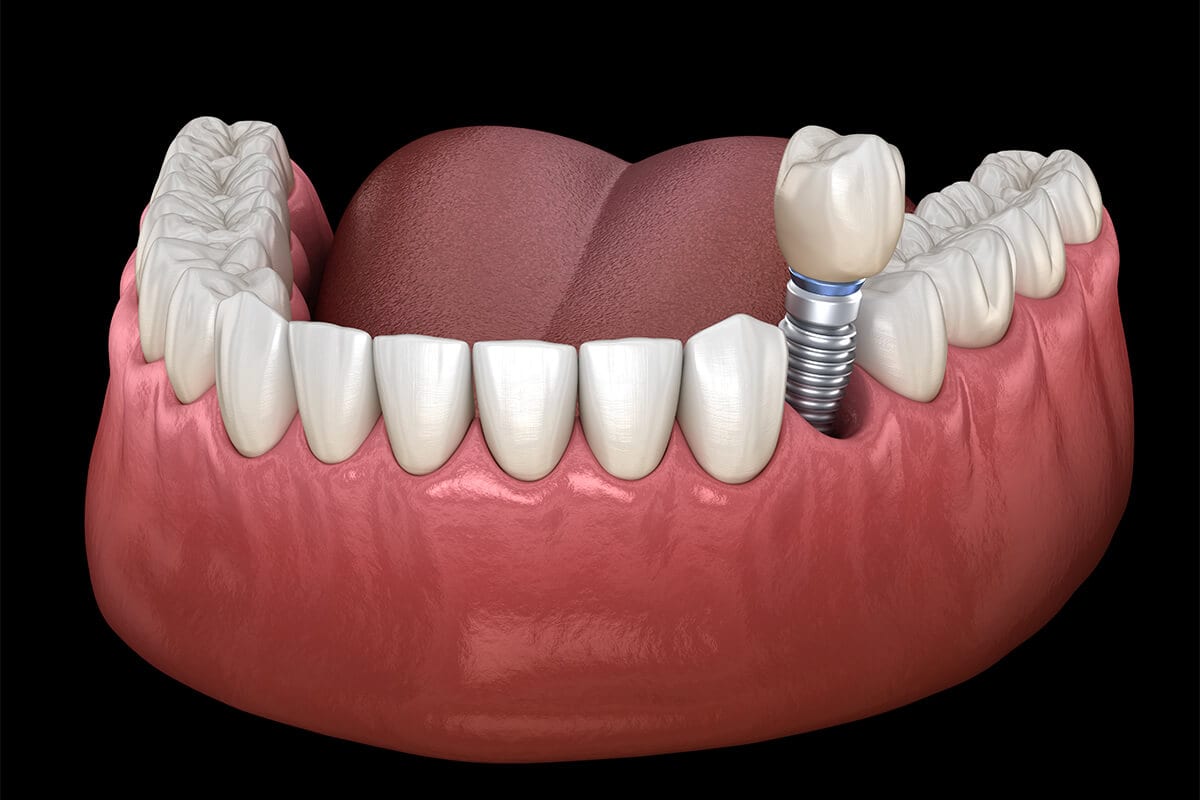
Dentures are removable appliances that rest on your gums, while dental implants are permanently anchored into your jawbone. Implants offer superior stability and help preserve bone, but they require surgery and cost more. Dentures provide an excellent, non-surgical tooth replacement option that many patients prefer. Some patients choose implant-supported dentures, which combine the stability of implants with the comprehensive coverage of dentures. Dr. James Tse can explain all options and help you determine which approach best suits your needs and lifestyle.