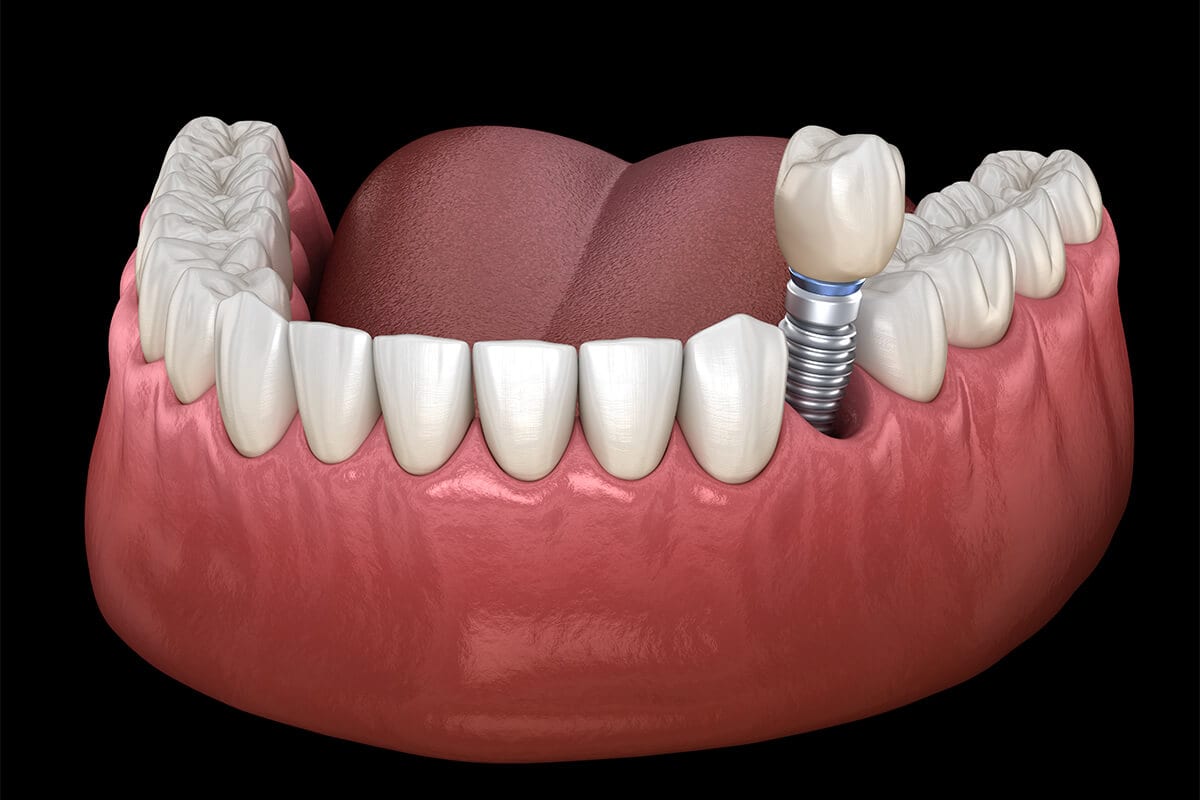

Knocked Out Tooth Emergency in Cambridge, MA

A knocked-out tooth is one of the most stressful dental emergencies you can face. Whether it happened during a sports game, a fall, or an accident, your actions in the next 30 minutes could determine whether your tooth can be saved. At Prospect Dental Group Cambridge, Dr. James Tse and our team understand that these moments are frightening. This guide explains exactly what to do — step by step — so you can act with confidence when it matters most.
Why the First 30 Minutes Are Critical After a Knocked-Out Tooth
A knocked-out tooth — called an avulsed tooth — can often be successfully reimplanted. However, time is your biggest enemy. The longer the tooth sits outside the socket, the less viable the root cells become. Most dental professionals agree that reimplantation within 30 minutes gives you the best chance of saving the tooth.
After 60 minutes outside the mouth, the survival rate drops dramatically. After two hours, reimplantation is rarely successful. This is why understanding the critical first 30 minutes explained here is so important for anyone in Cambridge and the surrounding area.
Acting quickly — and correctly — can mean the difference between saving your natural tooth and needing a replacement. Your natural tooth is always the best option when it can be preserved.
Step-by-Step: What to Do When Your Tooth Is Knocked Out in Cambridge
Follow these steps immediately after the injury occurs. Stay calm and act fast.
- Find the tooth right away. Pick it up by the crown — the white part you normally see in your mouth. Never touch the root.
- Rinse gently with water. If the tooth is dirty, hold it under cool running water for no more than 10 seconds. Do not scrub it or use soap.
- Try to reinsert it immediately. If you can, gently push the tooth back into the socket. Bite down softly on a clean cloth to hold it in place.
- Keep it moist if you cannot reinsert it. Place the tooth in a small container of milk, or hold it between your cheek and gum. Never store it in plain water.
- Call your dentist instantly. Contact Prospect Dental Group Cambridge right away and explain what happened. We prioritize dental emergencies.
- Get to the dental office within 30 minutes. This is your target window for the best possible outcome.
Do not let fear paralyze you. Every second of quick, correct action improves your chances significantly.
What NOT to Do After a Tooth Is Knocked Out
Knowing what to avoid is just as important as knowing what to do. Many well-meaning actions can actually damage the tooth further.
- Do not touch the root. The root contains delicate periodontal ligament cells. Handling it can destroy these cells and reduce reimplantation success.
- Do not scrub or clean the tooth aggressively. Harsh cleaning removes the cells needed for reattachment.
- Do not store the tooth in plain water. Water damages the root cells over time. Milk or saline solution is far better.
- Do not wrap the tooth in a dry cloth or paper towel. Dryness kills the cells quickly. Keep the tooth moist at all times.
- Do not delay seeking care. Even if you feel okay, the clock is running. Get to a dentist as soon as possible.
- Do not assume only adults are affected. Children can also experience tooth avulsion, though guidelines differ slightly for baby teeth.
Avoiding these common mistakes dramatically improves the likelihood of a successful outcome.
What Happens at the Dentist After a Knocked-Out Tooth
When you arrive at Prospect Dental Group Cambridge, Dr. James Tse will assess the tooth and the socket immediately. If the tooth is viable, he will carefully clean the area and reimplant the tooth into the socket. A splint is typically placed to hold the tooth stable against neighboring teeth while it heals.
You will likely need a follow-up appointment to monitor healing and check the tooth’s health. In some cases, Root Canals become necessary after reimplantation to preserve the tooth long-term. This is a common and well-tolerated procedure that protects the inner structure of the tooth.
If reimplantation is not possible — due to timing or the condition of the tooth — Dr. Tse will discuss tooth replacement options with you. Dental Bridges are one effective solution for replacing a missing tooth and restoring your smile’s function and appearance.
Our goal is always to preserve your natural tooth whenever possible. When that is not an option, we offer compassionate, expert care to restore your smile effectively.
Preventing Knocked-Out Teeth in Cambridge
Prevention is always better than an emergency visit. Many tooth avulsion injuries are preventable with the right precautions.
Wearing a custom-fitted mouthguard during contact sports is one of the most effective ways to protect your teeth. Over-the-counter guards offer some protection, but a custom mouthguard from your dentist fits better and provides superior coverage.
Talk to Dr. James Tse at your next visit about a custom mouthguard if you or your child plays sports. It is a simple investment that can prevent a serious emergency.
Beyond sports, being mindful of fall risks at home — especially for young children and older adults — can also reduce the likelihood of dental injuries.
Conclusion: Act Fast, Get Expert Care
A knocked-out tooth is a dental emergency — but it does not have to mean permanent tooth loss. The critical first 30 minutes are your window of opportunity. Handle the tooth correctly, keep it moist, and get to your dentist immediately. Dr. James Tse and the team at Prospect Dental Group Cambridge are here to help when dental emergencies happen. Do not wait and hope the situation resolves itself. Book Now to schedule your appointment with our team.
Frequently Asked Questions
Can a knocked-out tooth really be saved?
Yes, in many cases a knocked-out tooth can be successfully reimplanted — especially if you act within 30 minutes. The condition of the root cells and how you handle the tooth both play a major role in the outcome. Getting to a dentist quickly is the most important step you can take.
What should I store a knocked-out tooth in if I cannot put it back in the socket?
Milk is the best readily available option for storing a knocked-out tooth. It maintains the right pH level and keeps the root cells alive longer than plain water. You can also hold the tooth between your cheek and gum to keep it moist in saliva.
Does a knocked-out baby tooth need to be reimplanted?
Generally, dentists do not reimplant knocked-out baby teeth. Reimplanting a baby tooth can sometimes interfere with the developing permanent tooth underneath. You should still contact your dentist right away so they can assess the situation and monitor your child’s development.
Will I need a root canal after my tooth is reimplanted?
In many cases, yes. Once a tooth is knocked out and reimplanted, the pulp — the inner tissue of the tooth — may not survive. A root canal is often performed within a few weeks of reimplantation to remove the affected pulp and preserve the tooth’s structure long-term. Dr. James Tse will monitor your tooth closely and advise you on the best course of action.
What are my options if my tooth cannot be saved?
If reimplantation is not possible, there are excellent tooth replacement options available. Dental implants, dental bridges, and partial dentures are all effective solutions depending on your specific situation. Dr. Tse will walk you through each option so you can make an informed, comfortable decision for your smile.