
Dentures vs. Implants: Which Actually Preserves Your Jaw

If you’ve lost one or more teeth, you’re probably weighing your options carefully. The question of dentures vs. implants — which actually preserves your jaw in Cambridge — comes up constantly at Prospect Dental Group. It’s one of the most important decisions you’ll make for your long-term oral health. Both solutions replace missing teeth, but they affect your jaw very differently over time.
Dr. James Tse sees Cambridge patients at all stages of tooth loss. Some come in asking only about cost. Others are focused on function, appearance, or convenience. This guide walks through every major factor honestly — so you can make the best choice for your life.
Why Jaw Preservation Matters in the Dentures vs. Implants Debate
When a tooth root is lost, the jawbone underneath it begins to shrink. This process is called bone resorption. Your bone needs stimulation from biting and chewing to stay dense and healthy. Without a tooth root, that stimulation disappears.
Dentures sit on top of your gums. They don’t anchor into the jaw. Over time, bone loss continues beneath them, causing your face to look sunken and your dentures to fit poorly. Most patients need refitting or replacement every few years as their jaw shape changes.
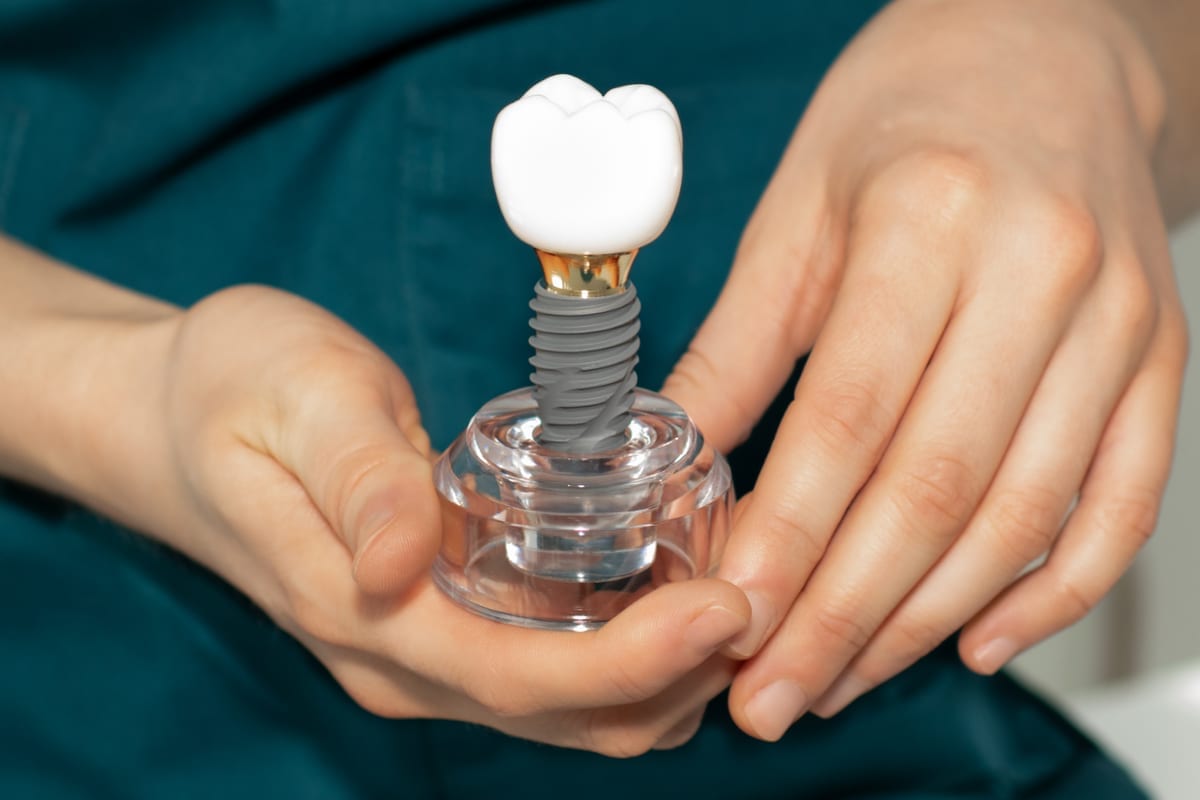
Dental implants work differently. A titanium post is placed directly into your jawbone. Your bone fuses around it — a process called osseointegration. This mimics the function of a natural tooth root and actively prevents bone loss. For long-term jaw preservation, implants have a clear advantage.
Comparing Cost: Short-Term vs. Long-Term Investment
Dentures cost less upfront. That’s a fact worth acknowledging. For many Cambridge patients facing sudden tooth loss, the lower initial price is a meaningful factor. However, cost comparison isn’t that simple.
Dentures require adhesives, cleaning solutions, and periodic refitting. As jaw bone loss progresses, you may need full replacements every five to ten years. Those recurring costs add up significantly over a lifetime.
Implants require a larger initial investment. The process involves surgery, a healing period, and crown placement. But a well-placed implant can last decades — sometimes a lifetime — with standard care. Many patients find the long-term value of implants outweighs the upfront difference. Dr. James Tse always reviews both options transparently so patients understand the full picture before deciding.
Function and Quality of Life: What Cambridge Patients Actually Experience
Function is where the difference becomes most personal. Dentures can slip, click, or shift while eating and speaking. Many patients feel self-conscious in social situations. Certain foods — like apples, corn on the cob, or crusty bread — become difficult or impossible to enjoy.
Implants function like natural teeth. You can bite and chew with full force. There’s no slipping or adhesive required. Most patients forget they even have implants after healing is complete. That confidence translates directly into better quality of life.
Speech can also be affected by removable dentures. Slippage during conversation causes slurring or clicking sounds. Implants don’t move, so speech stays natural and clear. For Cambridge professionals and active individuals, this difference matters enormously.
- Dentures: Lower upfront cost, no surgery required, easy to repair
- Dentures: May slip during eating or speaking, require adhesives, need periodic refitting
- Implants: Prevent bone loss, feel and function like natural teeth, no removal needed
- Implants: Higher initial cost, require surgery and healing time, long-lasting results
When Dentures Are Still the Right Answer
Implants aren’t the right fit for every patient. Some people have significant bone loss that requires grafting before implants can be placed. Others have health conditions that affect healing. In those cases, dentures — including implant-supported dentures — may be the best path forward.
Implant-supported dentures offer a middle-ground solution. A few strategically placed implants anchor a full denture securely. This reduces slippage and significantly slows bone loss compared to traditional removable dentures. It’s a strong option for patients who want stability without replacing every tooth individually.
Dr. James Tse also works with patients who’ve had prior dental work that affects their options. For example, if a tooth was saved with a Root Canals Cambridge procedure but the bone around it is compromised, the restorative plan changes. Similarly, patients who’ve used Dental Bridges Cambridge to replace one or two teeth may later consider implants as a more permanent upgrade. Every case is evaluated individually at Prospect Dental Group.
What to Expect During Your Consultation with Dr. Tse
Your first step is a thorough examination. Dr. James Tse uses X-rays and a full oral health assessment to evaluate your bone density, gum health, and overall jaw structure. This information determines which options are clinically possible for you.
During your consultation, you’ll discuss your goals — aesthetic, functional, and financial. Dr. Tse explains every stage of treatment clearly. He never recommends a procedure that isn’t in your best interest. Cambridge patients consistently appreciate this straightforward, patient-centered approach.
- Full X-ray and bone density evaluation
- Review of medical and dental history
- Discussion of treatment options and expected outcomes
- Transparent explanation of timelines and what each phase involves
- Answers to every question before any decision is made
There’s no pressure to decide immediately. Some patients take a few weeks to think it over or discuss with family. Dr. Tse’s team is available to answer follow-up questions throughout your decision process.
Making Your Decision: Key Takeaways for Cambridge Patients
The dentures vs. implants question doesn’t have one universal answer. It depends on your bone health, your goals, your timeline, and your overall health history. What is clear is that implants preserve jawbone in a way that dentures simply cannot. Over a decade or more, that difference becomes visible in your face and felt in your daily life.
Dentures still serve an important role — especially when immediate tooth replacement is needed, or when implants aren’t medically appropriate. Implant-supported options expand the range of choices even further. The best decision comes from a thorough consultation with a dentist who understands your full picture.
Dr. James Tse and the team at Prospect Dental Group in Cambridge are ready to help you think through every option. You deserve a replacement solution that serves you well for years to come. Book Now to schedule your appointment with our team.
Frequently Asked Questions
Do dental implants actually stop jaw bone loss?
Yes. Dental implants are the only tooth replacement option that prevents jawbone resorption. The titanium post fuses with your jawbone through a process called osseointegration, which stimulates the bone just like a natural tooth root. Dentures and bridges do not provide this stimulation, so bone loss continues beneath them over time.
How long do dental implants last compared to dentures?
With proper care, dental implants can last 20 to 30 years or even a lifetime. The crown on top may need replacement after 10 to 15 years depending on wear. Traditional dentures typically need refitting every 3 to 5 years and full replacement every 7 to 10 years as the jaw shape changes due to bone loss.
Are dental implants painful to get?
Most patients report that the implant procedure is more comfortable than they expected. Local anesthesia is used throughout the surgery, so you won’t feel pain during placement. Mild soreness and swelling after the procedure are normal and typically resolve within a few days. Dr. James Tse walks every patient through what to expect before any procedure begins.
Can I get implants if I’ve already worn dentures for years?
Possibly, but it depends on how much bone remains in your jaw. Long-term denture use often leads to significant bone loss, which can make implant placement more complex. A bone graft may be needed to build up the area first. Dr. Tse will evaluate your bone density during your consultation and recommend the best path forward for your specific situation.
What is an implant-supported denture and is it a good middle option?
An implant-supported denture uses two to four strategically placed implants to anchor a full arch of replacement teeth. It offers much more stability than a traditional removable denture and slows bone loss significantly. It’s a strong option for patients who want improved function without replacing every single tooth with an individual implant. Dr. James Tse can determine whether this solution fits your needs during your consultation at Prospect Dental Group in Cambridge.