
Dental Implants: What You Need to Know
Dental Implants: A Complete Guide to Restoring Your Smile
Losing a tooth can affect more than just your appearance. It can impact how you speak, chew, and feel about yourself. Dental Implants are one of the most effective solutions for replacing missing teeth. At Prospect Dental Group Cambridge, our dental team is committed to helping you understand your options. This guide explains what implants are, how they work, and what to expect. Making an informed decision starts with having the right knowledge.
What Are Dental Implants?
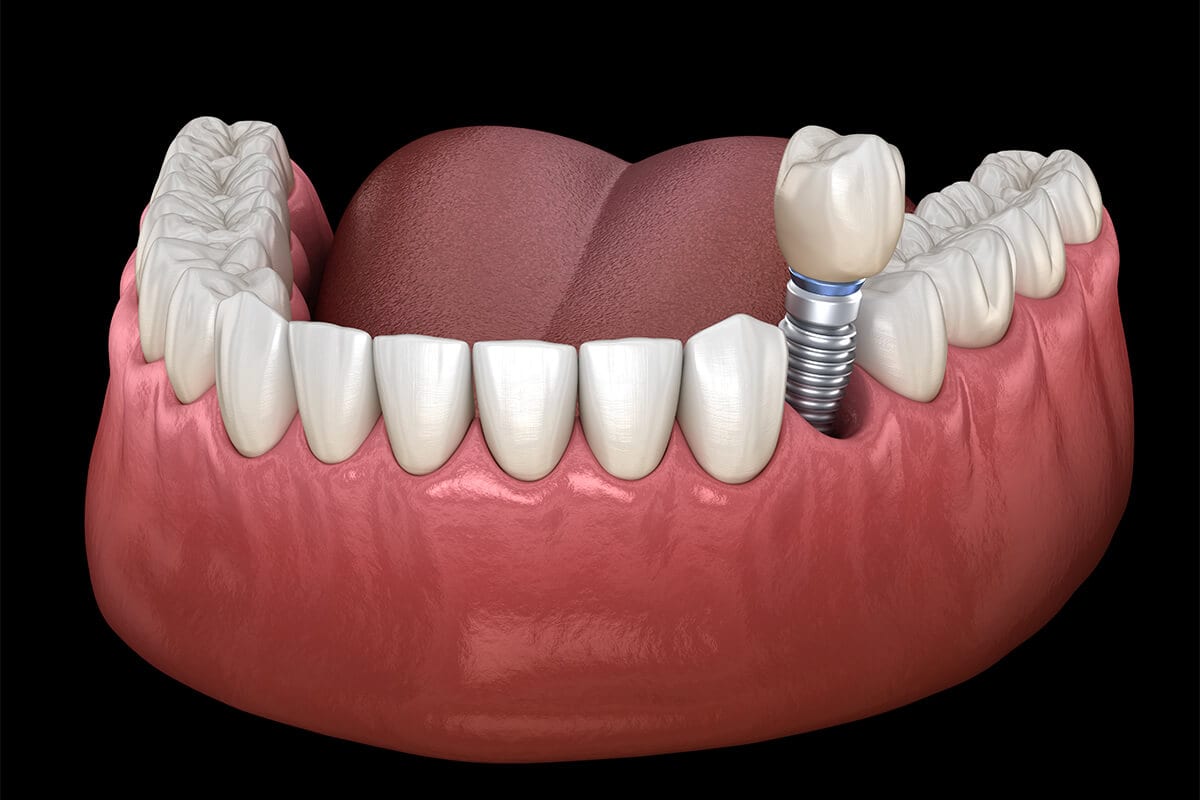
Dental Implants are small titanium posts surgically placed into the jawbone. They act as artificial tooth roots. Once in place, they provide a stable foundation for a replacement tooth or crown. Unlike dentures, implants are fixed in position. They do not slip or move during eating or speaking. This makes them a reliable and long-lasting solution for tooth loss. Titanium is used because it fuses naturally with bone through a process called osseointegration.
Implants closely mimic the look and function of natural teeth. A custom-made crown is attached on top of the implant post. The result is a tooth that blends seamlessly with your smile. Most patients find it difficult to tell the difference between the implant and their natural teeth. This level of realism is one reason implants are considered a gold-standard treatment option.
Who Is a Good Candidate for Dental Implants?
Not everyone is an immediate candidate for implants. Good candidates generally have healthy gums and sufficient jawbone density. Adults whose jawbones have fully developed are typically eligible. Certain health conditions may affect healing, so a full assessment is always recommended. Our dental team will review your oral health, medical history, and bone structure before recommending implants.
If you have experienced bone loss in the jaw, a bone graft may be needed first. This is a preparatory procedure that builds up the bone to support the implant. Smoking can slow healing and may reduce implant success rates. Our team will discuss any lifestyle factors that could influence your results. Every patient receives a personalised treatment plan based on their unique needs.
The Dental Implant Process Step by Step
The implant process typically takes place over several months. This allows time for healing at each stage. The first step is a comprehensive consultation and imaging assessment. X-rays and 3D scans help map your jawbone structure precisely. Our dental team uses this information to plan exact implant placement. Planning carefully improves accuracy and reduces risk.
Once the plan is confirmed, the implant post is surgically placed into the jawbone. Local anaesthesia is used to keep you comfortable throughout. After placement, a healing period of several weeks to months follows. During this time, the implant fuses with the surrounding bone. A temporary restoration may be worn during healing. Once integration is complete, a permanent crown is attached to finish the process.
Benefits of Choosing Dental Implants
Dental Implants offer a wide range of advantages over other tooth replacement options. They preserve jawbone density, which naturally deteriorates after tooth loss. By stimulating the bone, implants help maintain your facial structure over time. This can prevent the sunken appearance that often accompanies long-term tooth loss. Implants also do not require adjacent teeth to be altered, unlike traditional bridges.
From a functional standpoint, implants restore full chewing capacity. You can eat the foods you enjoy without restriction. Speech is also improved, as there is no risk of shifting or slipping. Oral hygiene is straightforward — you brush and floss implants just like natural teeth. With proper care, implants can last for decades. Many patients consider them a lifelong investment in their oral health.
Caring for Your Dental Implants
Proper aftercare is essential for implant longevity. Brush twice daily using a soft-bristled toothbrush. Floss around the implant carefully to remove plaque from the gumline. Using an antibacterial mouthwash can further support gum health around the implant site. Avoid habits like grinding your teeth, which can place excessive pressure on implants. A night guard may be recommended if grinding is an issue.
Regular dental check-ups are a critical part of implant maintenance. Our dental team will monitor your implant, surrounding gum tissue, and bone levels at each visit. Early detection of any concerns allows for prompt and effective management. Routine professional cleaning also removes buildup that regular brushing may miss. Consistency in your oral hygiene routine is the single most important factor in long-term implant success. Learn more about our full range of services to support your oral health.
How Dental Implants Compare to Other Options
There are several ways to replace missing teeth, including bridges and dentures. Each option has its own advantages and limitations. Bridges are fixed restorations but require grinding down healthy adjacent teeth. Dentures are removable and more affordable initially, but they can feel less natural over time. Dental Implants stand out because they address both the aesthetic and functional aspects of tooth loss.
Implants are the only option that replaces the tooth root itself. This is why they are so effective at preserving bone. They also do not rely on neighbouring teeth for support. For many patients, the long-term benefits outweigh the initial investment. Our dental team can help you compare options and choose the solution that best fits your situation. Visit our about page to learn more about our approach to patient care.
Dental Implants represent a significant advancement in modern dentistry. They offer a durable, natural-looking, and functional solution to tooth loss. Whether you are missing one tooth or several, implants may be the right choice for you. Our dental team at Prospect Dental Group Cambridge is here to guide you every step of the way. We prioritise education so you can feel confident in your decisions. Learn More about how we can help you.
Frequently Asked Questions
Are Dental Implants painful to have placed?
Most patients report minimal discomfort during the procedure. Local anaesthesia is used to numb the area completely. Some mild soreness or swelling may occur in the days following surgery. This is normal and manageable with over-the-counter pain relief. Our dental team provides full aftercare instructions to keep you comfortable throughout recovery.
How long do Dental Implants last?
With proper care, dental implants can last for many decades. Some patients enjoy their implants for a lifetime. The crown attached to the implant may eventually need replacement after 15 to 20 years. Maintaining good oral hygiene and attending regular check-ups significantly extends the lifespan of your implant.
How do I know if I have enough bone for an implant?
A dental assessment including X-rays or 3D imaging will evaluate your bone density. If bone loss has occurred, a bone grafting procedure can help rebuild the area. Our dental team will assess your suitability during your initial consultation and explain all available options clearly.
Can implants look natural?
Yes, dental implants are designed to match the size, shape, and colour of your surrounding teeth. The custom-made crown is crafted to blend naturally with your smile. Most people cannot distinguish an implant from a real tooth. Our dental team takes great care to ensure your result looks and feels completely natural.
Is the implant process suitable for older adults?
Age alone is not a barrier to receiving dental implants. Many older adults are excellent candidates. What matters most is overall health, gum condition, and bone density. Our dental team conducts a thorough evaluation to determine suitability for each individual patient, regardless of age.