
What Happens During a Dental Cleaning? Step-by-Step Guide
Good oral health goes above and beyond brushing and flossing at home. To proactively prevent problems, dental cleanings are an important part of maintaining your oral health. Cleaning is one of the essential elements of good oral hygiene that you simply can’t achieve with home care methods.
If you are uncertain about exactly what happens during a dental cleaning, you aren’t the only one. Most people are unsure of the procedure, and knowing what to expect may calm some of the apprehension you feel on appointment day. Here is a step-by-step breakdown of what occurs from the minute you step into the dental office until you walk out with a brighter, healthier smile.
The Dental Cleaning Process
Dental cleanings are a standard dental procedure for maintaining oral health and preventing further issues.
The cleaning procedure step by step, beginning from when you enter the dentist’s office, until your dental cleaning appointment is finished and you have a healthier mouth:

1. Initial Assessment and Preparation
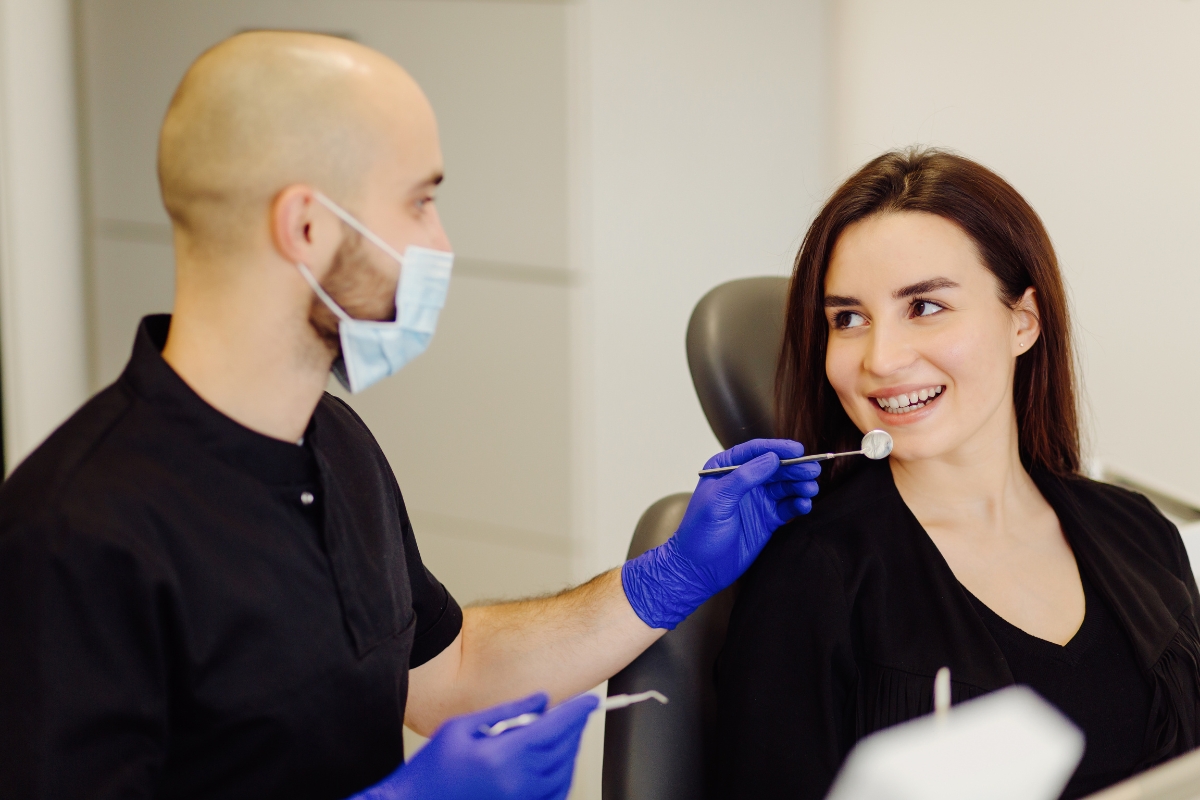
During your first dental cleaning, your dentist or hygienist will begin by reviewing your dental and health history. Certain health conditions are relevant to your dentist when treating your mouth, so it is always necessary that they know about any recent changes or issues your health has experienced. This is also performed as a part of dental cleanings in Cambridge, MA, if it is your first time or if it has been a while since your last visit, to update your treatment record.
Once your health history is evaluated, you will be asked to sit in the chair for the cleaning procedure. The hygienist will ask you to place a small plastic device in your mouth and keep it open so the cleaning process can proceed smoothly. Your dentist will then briefly look over your mouth, teeth, and gums for any potential issues.
2. Scaling: Plaque and Tartar Removal
The next step involved in the cleaning procedure is to remove any plaque and tartar on your teeth. Plaque is a thin film of bacteria that develops on your teeth; if left there for long, it will develop into tartar, a hard substance on your teeth. Brushing removes plaque; however, it is impossible to remove tartar with only your regular home hygiene methods, unless it is addressed by a dentist or hygienist.
Using a scaler, a small, pointed instrument, the dentist or hygienist will scrape away plaque and tartar from your teeth, primarily around the gum line. This process can be time-consuming, as every area of your mouth is given attention during scaling. If you have a sensitive mouth, your hygienist will use extra care and give you frequent breaks as needed.
3. Polishing: Making Teeth Shine Again
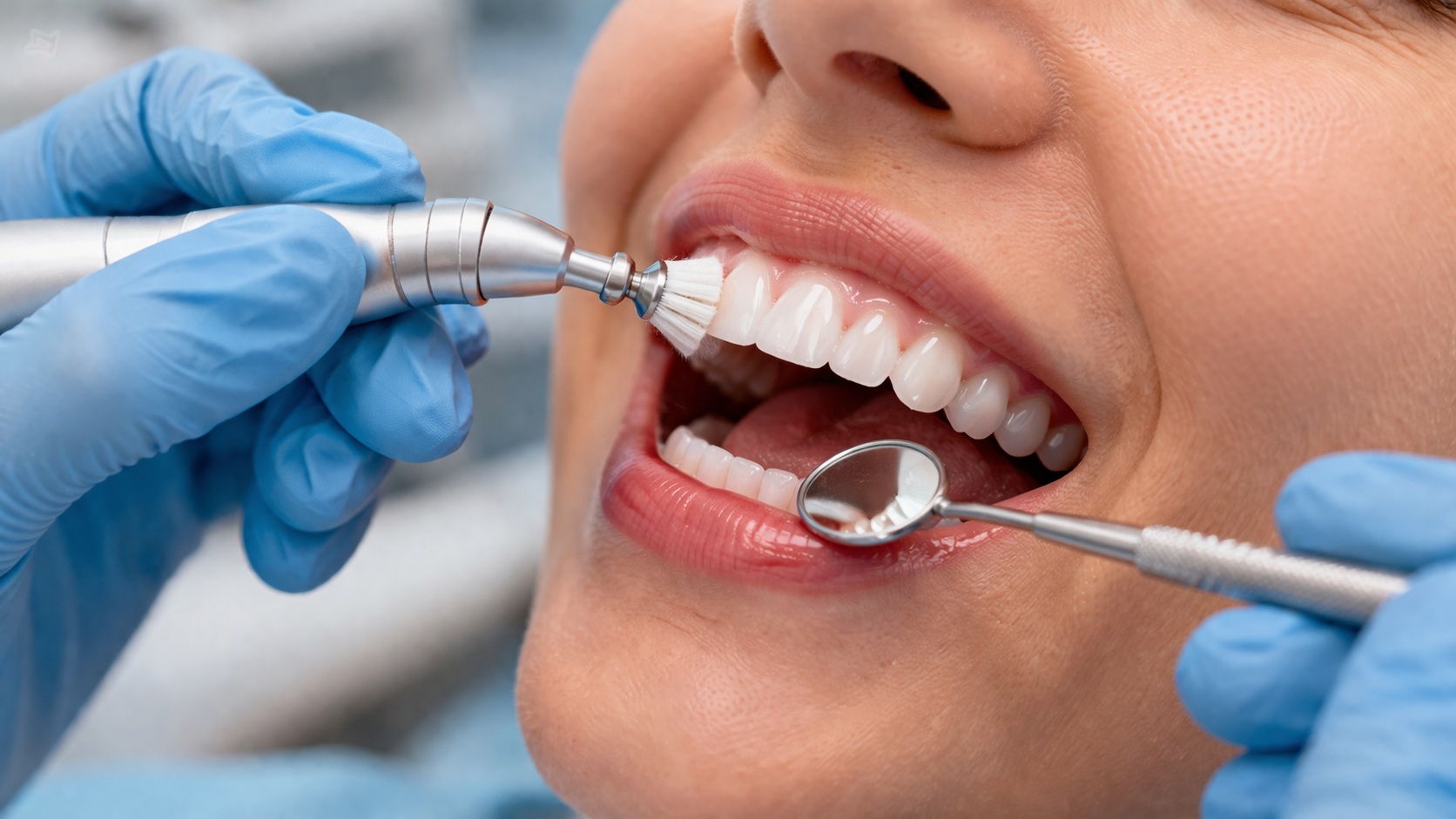
The cleaning continues with polishing the teeth. For this process, the hygienist uses a special electric brush and a gritty paste to scrub your teeth and remove any leftover plaque, stains, or dirt, leaving them polished and sparkling.
This part of the process can often be very enjoyable, and often patients describe their teeth feeling amazing afterward, the most cleaned. You also get the choice of flavor, like mint or cinnamon.
4. Flossing: Targeting Hard-to-Reach Spots
Although you may floss daily at home, several parts of the mouth can be harder to reach. The hygienist will floss around each of your teeth to ensure that any plaque and debris not removed during the polishing or scaling stages are removed. The hygienist also does this to ensure you maintain healthy gums, because brushing or scaling cannot remove all plaque between your teeth, and it is there that gum disease usually begins.
If your hygienist notes that areas in your mouth tend to bleed during flossing, your dentist will likely take note of this and address it when he/she comes in to perform their final examination of your mouth. Bleeding gums may be an indication of early gum disease, and it can often be treated if it is caught early.
5. Rinsing, The Final Fresh Up
After flossing, your mouth will be rinsed with a specific mouthwash to remove any remaining particles and leave your mouth feeling fresh! The rinse will often also contain fluoride, which helps protect your teeth from tooth decay and strengthens enamel. This will be your final oral health check, so after rinsing, you will most likely meet with the dentist.
6. Final Examination by Your Dentist
The dentist will perform a final exam to ensure everything looks healthy overall. They will look for cavities, gum disease, and other potential issues. If the dentist notes any oral health issues, they will let you know what your treatment options may be.
7. Fluoride Treatment (Optional)
Your dentist may or may not administer a fluoride treatment after performing your final exam. A fluoride treatment will help protect your enamel and increase the hardness of your teeth, which helps guard against cavities. This procedure should only take about a minute or two, and after that, you should refrain from eating or drinking for some time.

Why Regular Cleanings Are Important for Your Oral Health
Routine dental cleanings are a key component of oral health care. They play an important role in preventing problems like cavities, gum disease, and tooth loss. Getting routine dental cleanings at Prospect Dental Group in Cambridge is one of the best things you can do to protect your oral health and preserve your smile.
If it has been a long time since your last dental cleaning, don’t wait any longer. Routine cleaning appointments keep your smile shining bright and detect problems early, saving you pain and further complications down the line. Call today and schedule your dental cleaning appointment at Prospect Dental Group!
Questions People Ask About Dental Cleaning
How often should I get a dental cleaning?
Most people should visit the dentist for a cleaning every six months to maintain optimal oral health. If you have specific concerns or gum disease, your dentist may recommend more frequent cleanings to prevent further issues.
Will a dental cleaning hurt?
Dental cleanings are typically painless, though some discomfort may occur, especially if you have sensitive gums or teeth. Your hygienist will work gently and ensure your comfort throughout the process, addressing any sensitivity during cleaning.
Is a dental cleaning the same as a dental exam?
No, a dental cleaning focuses on removing plaque and tartar, while a dental exam includes a thorough inspection of your teeth and gums to check for cavities, gum disease, or other issues. Both are essential for maintaining oral health.
Can I eat after a dental cleaning?
You can eat after a cleaning, but it’s best to wait 30 minutes, especially if fluoride treatment was applied. Avoid eating or drinking anything hot, cold, or acidic immediately after to let the fluoride work effectively.
Why do my gums bleed during a cleaning?
Bleeding gums can indicate gum disease, or they may simply be a sign of inflammation due to plaque buildup. If bleeding persists, your dentist may suggest a treatment plan to address gum health and prevent further issues.
How long does a dental cleaning take?
A typical dental cleaning takes about 30 minutes to an hour, depending on the amount of plaque and tartar buildup. If it’s your first cleaning or if additional treatments are required, it may take a bit longer.