
Dental Bridges in Cambridge, MA

If you have a missing tooth, it can be tempting to put off treatment. Many Cambridgeport residents assume the gap is a cosmetic issue and nothing more. But why delaying a dental bridge costs more than you think in Cambridgeport is something Dr. James Tse at Prospect Dental Group Cambridge sees play out regularly. The longer a missing tooth goes untreated, the more complex and costly the solution becomes.
What a Dental Bridge Actually Does for Your Mouth
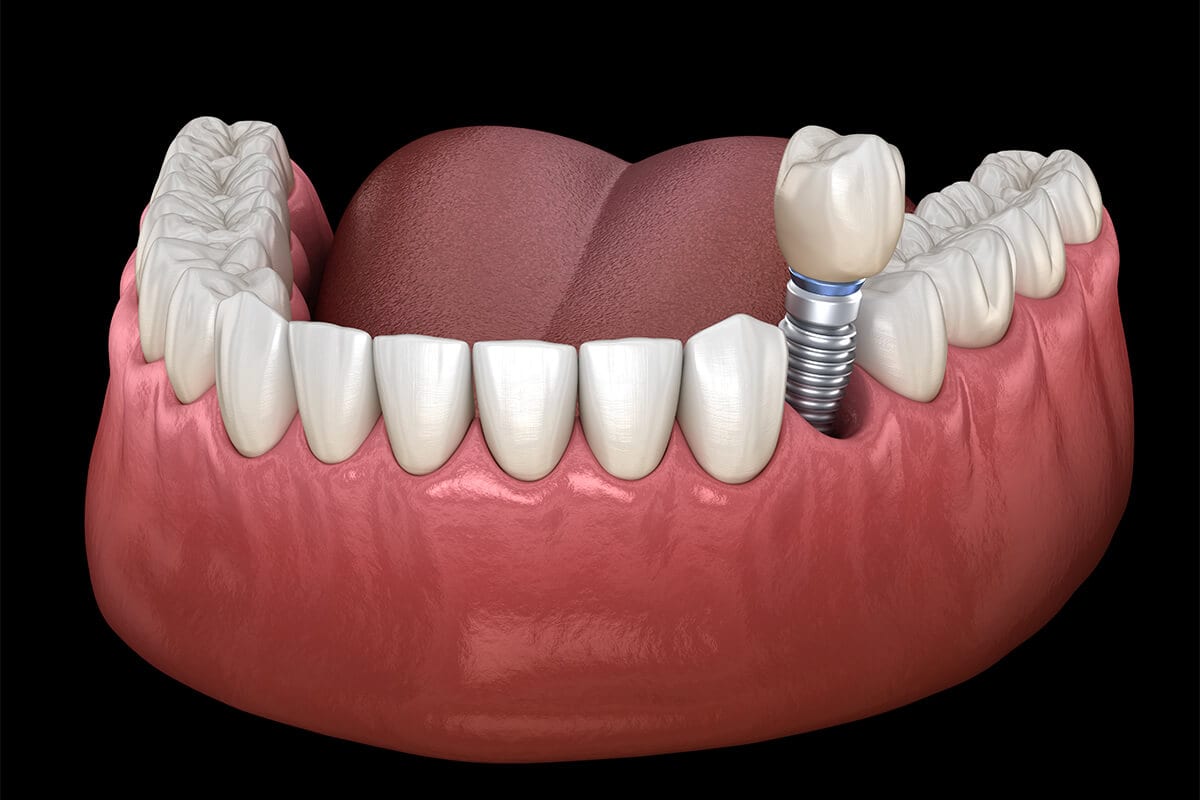
A dental bridge fills the space left by a missing tooth. It uses the neighboring teeth as anchors to hold a custom-made artificial tooth in place. The result is a stable, natural-looking restoration that functions like a real tooth.
Beyond appearance, a bridge preserves the structure of your bite. It prevents neighboring teeth from shifting into the empty space over time. It also keeps your jawbone stimulated, which helps maintain facial structure.
Many patients are surprised by how straightforward the process is. At Prospect Dental Group Cambridge, Dr. Tse designs bridges that blend seamlessly with your natural smile. The procedure typically requires just two visits to complete.
What Happens When You Delay Treatment in Cambridgeport
This is where understanding why delaying a dental bridge costs more than you think in Cambridgeport becomes critical. A missing tooth does not stay a simple problem. It triggers a chain of events that affects your entire mouth.
First, adjacent teeth begin to drift toward the gap. This shifting changes your bite and can cause uneven pressure across your teeth. Over time, that pressure leads to cracking, excessive wear, and pain.
Second, the jawbone beneath the gap starts to deteriorate. Without a tooth root stimulating the bone, your body begins to reabsorb it. This bone loss can make future treatments like implants much harder to place.
- Neighboring teeth shift and create misalignment
- Jawbone density decreases over months and years
- Bite pressure becomes uneven, stressing healthy teeth
- Risk of gum disease increases around the open space
- More extensive and expensive treatment becomes necessary
The Hidden Costs of Waiting Too Long
Delaying a bridge does not just affect your oral health. It affects your wallet too. What starts as a straightforward two-tooth bridge procedure can escalate significantly.
If teeth shift too far, orthodontic treatment may be needed before a bridge can even be placed. If bone loss becomes severe, implants may no longer be an option without costly bone grafting first. A problem that was once simple becomes layered and expensive.
There are also health costs beyond your teeth. Misalignment from a missing tooth can contribute to TMJ disorders, causing jaw pain and headaches. Proper Dental Cleanings become harder around shifted teeth, increasing plaque buildup and gum disease risk.
Consider the comparison below:
- Early treatment: A dental bridge placed promptly, minimal prep work, straightforward procedure
- Delayed treatment: Orthodontics to realign teeth, possible bone grafting, more complex restorations
- Long-term delay: Multiple teeth involved, gum disease treatment, potential tooth loss
How Dental Bridges Connect to Your Overall Oral Health
Your teeth work as a system. When one part fails, the others compensate. That compensation creates stress throughout your mouth in ways that are not always immediately obvious.
For example, patients who avoid treating a missing tooth often start chewing on the opposite side. This overloads those teeth and can cause fractures. Fractured teeth may then require Root Canals or even extraction, creating more gaps to address.
Gum tissue around the empty socket can also become inflamed and infected. Without a tooth to guide the gumline, bacteria accumulate more easily. This puts you at higher risk for periodontal disease that spreads to surrounding teeth.
Dr. Tse takes a whole-mouth approach to care. Treating a missing tooth promptly with a bridge protects the health of every other tooth in your mouth.
When Is the Right Time to Get a Dental Bridge?
The best time to address a missing tooth is as soon as possible after loss or extraction. The longer you wait, the more your oral anatomy changes. Those changes make treatment more involved.
If you are already past the ideal window, do not be discouraged. Dr. Tse evaluates each patient’s unique situation at Prospect Dental Group Cambridge. There are still excellent solutions available, and early action from this point forward still makes a difference.
Routine checkups are essential for monitoring changes after tooth loss. Catching shifting or bone loss early keeps your options open. If you have been putting off a conversation about a missing tooth, now is the time to start that discussion.
Taking the Next Step with Dr. Tse in Cambridgeport
Understanding why delaying a dental bridge costs more than you think in Cambridgeport is the first step toward protecting your health. The second step is taking action before the problem compounds. Prospect Dental Group Cambridge is here to guide Cambridgeport patients through every stage of that process with care and expertise.
Dr. Tse and the team provide a comfortable, educational experience. You will always understand your options and the reasoning behind each recommendation. The goal is to help you make informed decisions that serve your long-term health.
Do not let a missing tooth quietly create bigger problems. Book Now to schedule your appointment with our team.
Frequently Asked Questions
How long does it take to get a dental bridge?
Most dental bridge procedures at Prospect Dental Group Cambridge are completed in two appointments. The first visit involves preparing the anchor teeth and taking impressions. The second visit places the permanent bridge once it has been custom-made for your smile.
Is a dental bridge painful to get?
The procedure is performed with local anesthesia, so you should feel minimal discomfort during treatment. Some sensitivity around the anchor teeth is normal for a few days afterward. Dr. Tse takes care to ensure the process is as comfortable as possible for every patient.
How long does a dental bridge last?
With proper care, a dental bridge can last ten to fifteen years or longer. Good oral hygiene and regular professional cleanings are the keys to longevity. Avoiding hard foods that stress the bridge also helps extend its lifespan.
What happens to the bone under a missing tooth if I delay treatment?
Without a tooth root stimulating the jawbone, the bone begins to resorb over time. This bone loss can change your facial structure and limit future treatment options. Placing a bridge promptly helps preserve the surrounding bone and tissue.
Can I get a dental bridge if my neighboring teeth have shifted?
It depends on how much shifting has occurred. In some cases, minor movement does not prevent bridge placement. In more advanced cases, Dr. Tse may recommend addressing the alignment before proceeding. A thorough evaluation will determine the best path forward for your specific situation.