

Your Dental Implant Recovery: What to Expect Week by Week
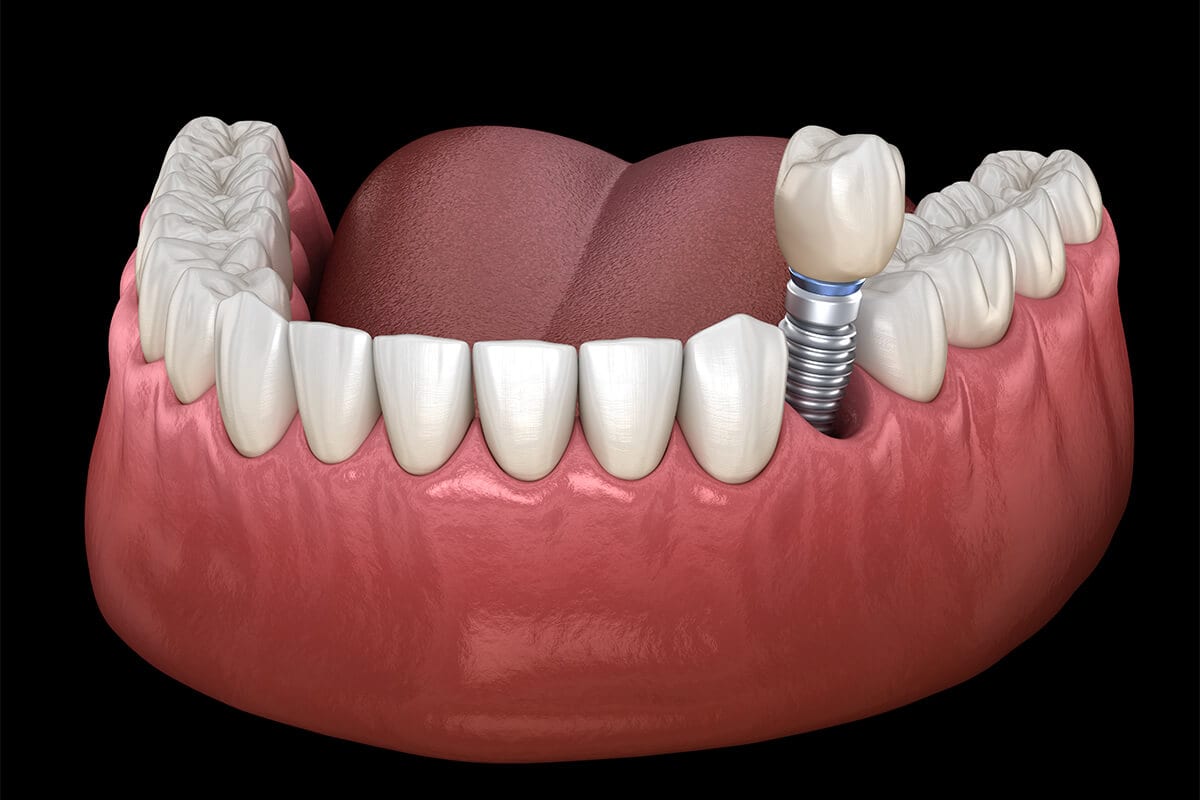
Getting dental implants is one of the best investments you can make in your smile. But many Mid-Cambridge patients tell us the same thing: they feel confident about the procedure itself, yet uncertain about what comes next. Understanding your dental implant recovery week by week in Mid-Cambridge helps remove that uncertainty. Dr. James Tse and the team at Prospect Dental Group Cambridge want you to feel informed, prepared, and supported every step of the way.
Why Recovery Is the Most Important Part of the Implant Process
A successful implant depends on more than skilled placement. It depends on how well your body heals around that new titanium post. This process, called osseointegration, is when your jawbone fuses with the implant surface. It takes time, and it requires your active participation to go smoothly.
Skipping aftercare steps or returning too quickly to normal habits can compromise healing. That can lead to implant failure, infection, or prolonged discomfort. The good news is that most patients in Mid-Cambridge who follow their post-op instructions heal beautifully and on schedule.
Understanding each phase of recovery also helps you spot warning signs early. You will know what is normal and what deserves a call to our Cambridge office. Knowledge truly is your best healing tool here.
Your Dental Implant Recovery Week by Week in Mid-Cambridge: The First Two Weeks
The first 48 hours are the most intense part of your recovery. You will likely experience swelling, mild bleeding, and soreness around the implant site. This is completely normal. Your body is responding to the surgical procedure and beginning to heal.
Dr. Tse recommends applying a cold pack to your cheek in 20-minute intervals during the first day. Take any prescribed or over-the-counter pain relief as directed. Rest is genuinely important during this window — avoid strenuous activity for at least three to five days.
Here is what to eat during the first two weeks of recovery:
- Smoothies and protein shakes (no straws — suction disrupts healing)
- Yogurt, applesauce, and mashed potatoes
- Scrambled eggs and soft-cooked fish
- Lukewarm soups and broths
- Bananas, avocado, and soft-cooked vegetables
Avoid hard, crunchy, sticky, or spicy foods entirely. Hot beverages can increase bleeding, so let everything cool before eating or drinking. By the end of week two, swelling typically subsides and tenderness decreases noticeably.
Weeks Three Through Eight: Osseointegration Begins in Earnest
This is the quiet but critical middle phase of your implant recovery. You will feel much more like yourself during this period. However, the real work is happening beneath the surface as your jawbone bonds to the implant post.
Most patients can return to a near-normal diet by week three. You can add softer solid foods like pasta, rice, and tender chicken. Continue avoiding anything that requires heavy chewing on the implant side. Your comfort is a reliable guide here — if chewing causes pain, ease off.
Oral hygiene during this phase matters enormously. Brush gently around the implant site using a soft-bristled toothbrush. Rinse with a saltwater solution or any antibacterial rinse Dr. Tse prescribes. Keeping the area clean prevents infection and supports healthy bone integration.
Some patients ask whether they need additional procedures during this time. If a tooth was missing for a long time before implant placement, bone grafting may have been performed beforehand. Similarly, patients who have had issues with adjacent teeth may need related treatments like Root Canals Mid-Cambridge to protect neighbouring structures before or alongside implant work.
Months Three to Six: Full Integration and Final Restoration
By month three, osseointegration is well underway for most patients. Your implant should feel stable and secure. Dr. Tse will take X-rays at your follow-up appointments to confirm the bone is bonding correctly. These check-ins are not optional — they are essential to your long-term outcome.
Once full integration is confirmed, the final restoration is placed. This is usually a custom-made dental crown that looks and functions exactly like a natural tooth. The crown is matched to the shade and shape of your surrounding teeth for a seamless result.
Patients with multiple missing teeth may receive different restorations. Some receive implant-supported Dental Bridges Mid-Cambridge as part of their treatment plan. Dr. Tse will discuss the best restoration option for your specific anatomy and goals during your planning appointment.
Here are the key milestones to look forward to in this phase:
- Reduced or eliminated sensitivity around the implant site
- Full return to a normal, varied diet
- Placement of your permanent crown or restoration
- Confirmation of bone integration through imaging
- Resuming all regular oral hygiene habits without restriction
Long-Term Care: Protecting Your Implant for Decades
Dental implants can last a lifetime with the right care. They do not decay like natural teeth, but the gum tissue and bone around them still need consistent attention. Gum disease remains the number one threat to implant longevity, even years after successful placement.
Visit Prospect Dental Group Cambridge every six months for professional cleanings and exams. These appointments allow Dr. Tse to monitor the health of your implant and surrounding tissue. Early detection of any issue makes treatment far simpler.
At home, brush twice daily and floss around your implant using implant-specific floss or an interdental brush. Water flossers are also excellent for cleaning around implant restorations. Your daily habits are just as important as your professional care visits.
Avoid habits that can damage your implant or restoration. Grinding your teeth at night puts excessive pressure on the implant crown. If you clench or grind, ask Dr. Tse about a custom night guard. Smoking also significantly impairs healing and long-term implant success — it is best avoided entirely.
Conclusion: You Are Ready for This Recovery
Dental implant recovery in Mid-Cambridge is a manageable, rewarding process when you know what to expect. The early days require rest, soft foods, and careful hygiene. The middle weeks call for patience as osseointegration progresses quietly. The final months bring the exciting milestone of your permanent restoration and a fully functional smile. Dr. James Tse and the entire Prospect Dental Group Cambridge team are here to guide you through every phase with expert care and genuine support. Book Now to schedule your appointment with our team.
Frequently Asked Questions
How long does dental implant recovery typically take in Mid-Cambridge?
Most patients experience significant improvement within the first two weeks. Full osseointegration, where the bone fuses completely with the implant, takes three to six months. Your final crown is placed once Dr. Tse confirms successful integration through imaging at our Cambridge office.
What foods should I avoid during implant recovery?
During the first two weeks, avoid hard, crunchy, sticky, spicy, and very hot foods. These can disrupt the healing site or cause bleeding. Stick to soft, lukewarm foods like yogurt, eggs, mashed potatoes, and smoothies until your sensitivity decreases.
Is it normal to feel pain or swelling after implant surgery?
Yes, mild to moderate swelling, soreness, and minor bleeding are completely normal in the first 48 to 72 hours. Applying a cold pack and taking recommended pain relief helps manage discomfort. If pain worsens significantly after the first few days, contact Prospect Dental Group Cambridge promptly.
Can I brush my teeth normally after getting a dental implant?
You should brush gently around the implant site using a soft-bristled toothbrush. Avoid scrubbing directly on the surgical area during the first two weeks. As healing progresses, you can gradually resume normal brushing habits around and under the implant restoration.
What happens if my dental implant does not integrate properly?
Implant failure is rare but can occur if osseointegration does not proceed correctly. Signs include persistent pain, mobility of the implant, or significant swelling beyond the normal healing period. Dr. Tse monitors your healing closely at follow-up appointments to catch and address any concerns as early as possible.