
What You’ll Actually Feel During Your Root Canal Treatment
If you’ve been told you need a root canal, your first question is probably about pain. Understanding what you’ll actually feel during your root canal treatment in Cambridge can make the entire experience far less frightening. The procedure has a reputation that simply doesn’t match modern reality. At Prospect Dental Group Cambridge, Dr. James Tse uses gentle techniques and effective numbing to keep patients comfortable from start to finish.
Root canals are one of the most misunderstood dental procedures. Most patients are surprised by how manageable the experience actually is. This article walks you through every stage so you know exactly what to expect.
What You’ll Actually Feel Before the Procedure Begins
Before Dr. Tse touches a single tooth, he focuses entirely on getting you numb. You’ll feel a small prick when the local anesthetic is injected into the gum tissue. This is the most uncomfortable moment for most patients — and it typically lasts only a few seconds.
Some patients feel a brief, dull ache as the anesthetic spreads through the tissue. That sensation fades quickly. Within a few minutes, your tooth, gum, and surrounding area will feel completely numb.
Here is what the preparation phase involves:
- A topical numbing gel applied to your gum before any injection
- One or two small anesthetic injections near the affected tooth
- A short wait of about five minutes for full numbness to set in
- A simple check where Dr. Tse confirms you can’t feel pressure or sharpness
You will not move forward until you are fully numb. Comfort is the priority here. If you feel any sensation during treatment, just raise your hand and Dr. Tse will add more anesthetic right away.
What You’ll Feel During the Root Canal Itself in Cambridge
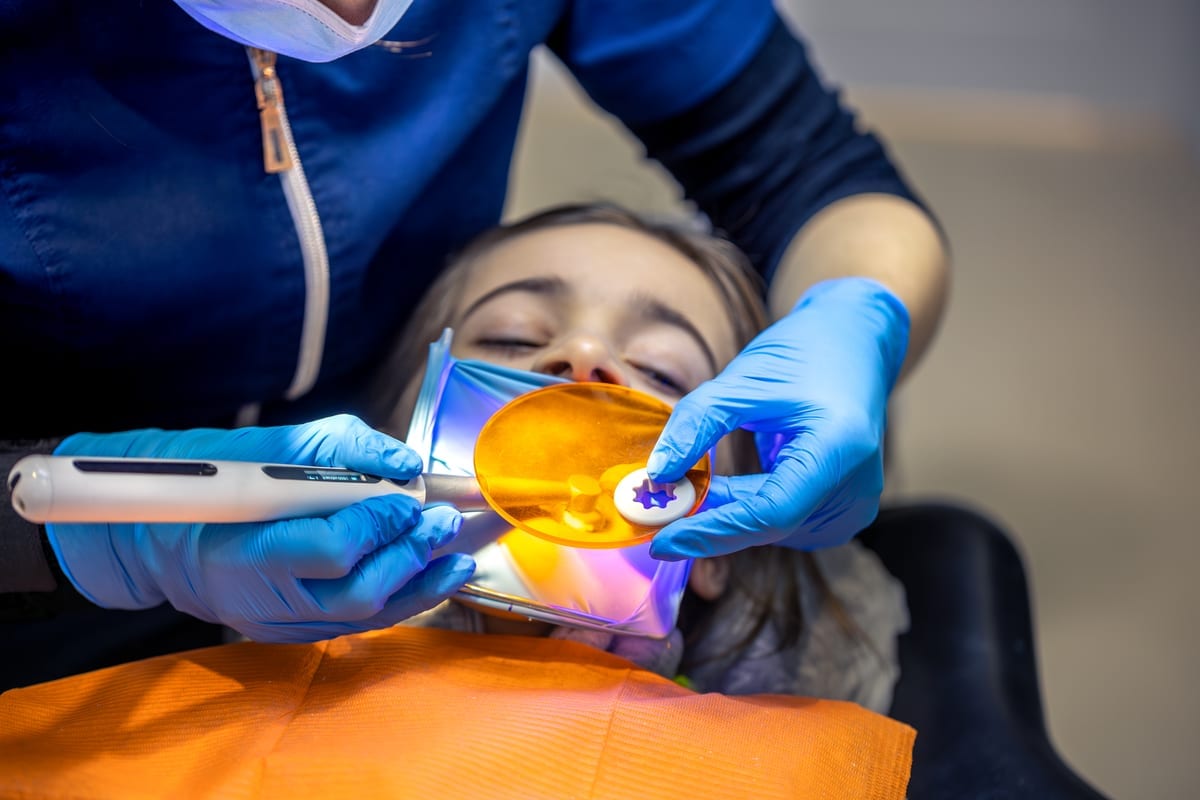
Once you’re numb, Root Canals Cambridge patients are often amazed at how little they feel. The tooth has been completely anesthetized, so there is no pain from the drilling or cleaning instruments inside the canal.
What you will notice is pressure and vibration. These are normal physical sensations that occur even when there is no pain. Think of it like pressing firmly on your arm — you feel the pressure without any pain.
You may also hear the sounds of the dental instruments at work. This can feel unsettling if you’re not prepared for it. Knowing in advance that these sounds are completely normal helps most patients stay calm.
Here is a breakdown of what happens inside the tooth during this stage:
- A small opening is made through the crown of the tooth
- Tiny files are used to clean the infected pulp from the canals
- The canals are shaped and flushed with a gentle disinfecting solution
- You may feel occasional pressure as each canal is cleaned and dried
The procedure usually takes between 60 and 90 minutes for a single tooth. More complex cases with additional canals may take a little longer. You will feel pressure throughout, but not sharp or shooting pain.
Sensations You Might Notice Immediately After Treatment
When the anesthetic wears off, you may feel some soreness around the treated tooth. This is your body’s natural response to the procedure. It is completely normal and typically mild to moderate.
Most patients describe the post-treatment soreness as similar to a mild toothache. Over-the-counter pain relievers like ibuprofen handle this discomfort effectively for the majority of people. Dr. Tse will give you specific aftercare guidance before you leave the office.
You may also notice your jaw feels tender or stiff. Keeping your mouth open for 60 to 90 minutes can cause minor jaw fatigue. This typically resolves within a day or two.
The gum tissue around the injection sites may feel slightly sore as well. This fades within 24 to 48 hours for most patients. Avoid chewing on the treated side until your permanent restoration is placed.
What to Expect in the Days Following Your Root Canal
Days one and two after treatment are usually the most noticeable. Mild swelling and tenderness around the tooth are common during this window. These symptoms are a sign that your body is beginning to heal.
By day three, most patients feel significantly better. The intense infection-related pain that brought you in originally is usually gone completely. Many patients are surprised at how much relief they feel after the procedure.
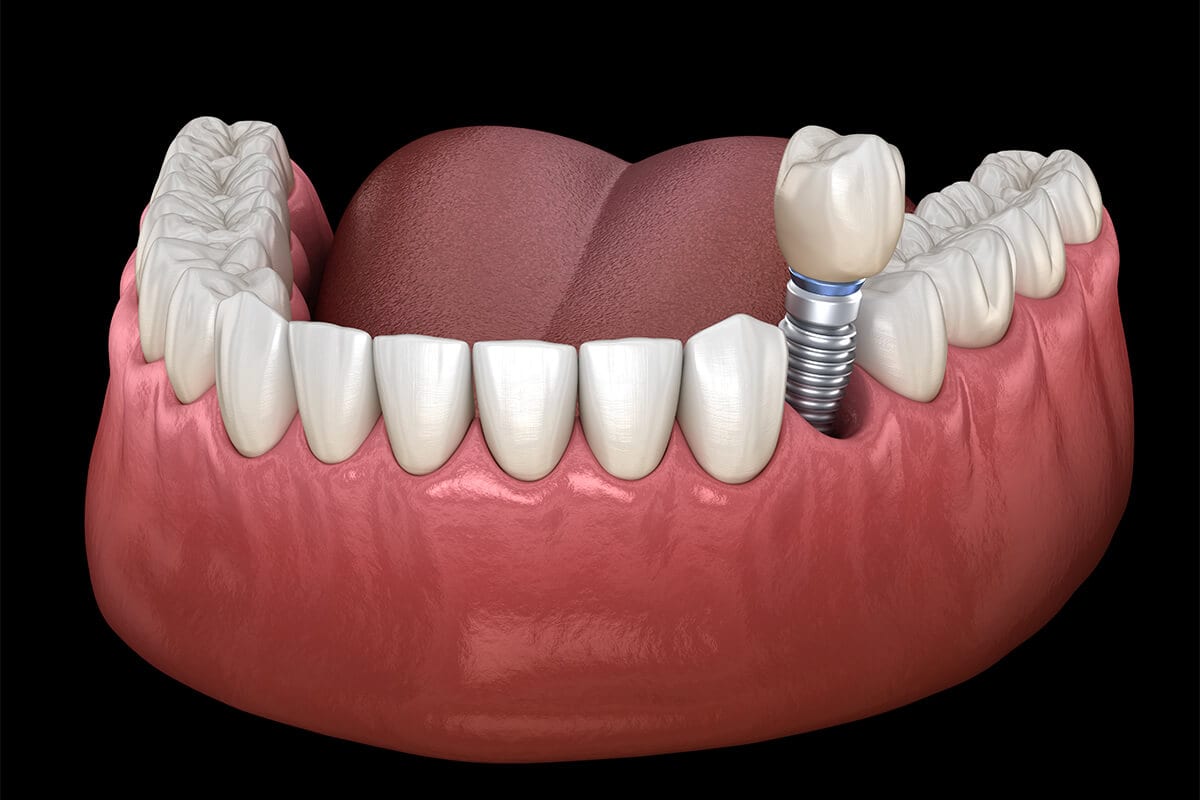
Your tooth will eventually need a crown to protect and restore it fully. Dr. Tse may place a temporary filling on the day of your root canal. The permanent crown seals and strengthens the tooth for long-term function. If adjacent teeth were also affected, ask about whether a Dental Bridges Cambridge option might be worth discussing at your follow-up visit.
Here are a few helpful tips for a smooth recovery:
- Avoid hard or crunchy foods until your permanent crown is placed
- Take any recommended anti-inflammatories on a regular schedule for the first day
- Rinse gently with warm salt water to keep the area clean
- Contact the office if pain increases rather than decreases after 48 hours
Why Patients at Prospect Dental Group Cambridge Feel More at Ease
Dr. James Tse takes a patient-centered approach to every root canal procedure. He explains each step before performing it, so patients are never caught off guard. This simple communication habit dramatically reduces anxiety in the chair.
The team at Prospect Dental Group Cambridge understands that dental fear is real. Nobody walks through the door excited about a root canal. Creating a calm, honest, and supportive environment makes a genuine difference in how patients experience treatment.
Modern local anesthetics are far more effective than what patients experienced even a decade ago. Combined with precise technique and a gentle touch, the procedure is now far more predictable and comfortable than its reputation suggests. Most patients tell us afterward that it was much easier than they expected.
If tooth pain or sensitivity has been holding you back from getting care, this is your sign to move forward. Early treatment protects your natural tooth and prevents more complex problems down the road. Book Now to schedule your appointment with our team.
Frequently Asked Questions
Does a root canal hurt during the procedure?
No. With modern local anesthesia, you should feel no pain during the procedure itself. You may feel pressure or vibration, but sharp or shooting pain is not normal. If you feel any discomfort, inform Dr. Tse immediately so more anesthetic can be administered.
How long does numbness last after a root canal in Cambridge?
The local anesthetic typically keeps the area numb for two to four hours after your appointment. Avoid eating on the treated side until feeling returns fully. This helps prevent you from accidentally biting your cheek or tongue.
Is the soreness after a root canal serious?
Mild soreness for one to three days after treatment is completely normal. It reflects normal healing activity in the surrounding tissue. Over-the-counter anti-inflammatories manage this discomfort well for most patients. If pain worsens significantly after 48 hours, contact Prospect Dental Group Cambridge for guidance.
How many appointments does a root canal take?
Most root canal procedures at Prospect Dental Group Cambridge are completed in one or two appointments. The first visit focuses on cleaning and disinfecting the canals. A follow-up visit is usually needed to place the permanent crown that protects the tooth.
What happens if I don’t get a root canal when I need one?
Leaving an infected tooth untreated allows the infection to spread. This can affect surrounding teeth, the jawbone, and in serious cases the overall body. Early treatment preserves your natural tooth and avoids the need for more extensive procedures later on.