
Are You Too Old to Get Dental Implants?

The loss of teeth can hinder daily activities such as eating, speaking, and maintaining oral health. In many cases, adults are often hesitant to get dental implants as they believe this treatment is only for younger individuals.
However, dental health professionals consider all aspects of your health, including your bone health and hygiene practices, rather than your age. With modern dental treatments, adults in their 50s, 60s, and 70s often successfully receive implants.
In this blog, we explain what can and can’t affect implant suitability and how Cambridge patients can benefit from safe, effective options for missing teeth.
Your Age Isn’t as Important for Dental Implants
When assessing candidates for dental implants, dentists prioritize your overall oral health and jawbone structure over age. If your jawbone and gums are in good enough condition to support your implant, then adults in their 40s, 60s, or even 80s may still be eligible.
When reviewing suitable candidates, dentists often assess a few factors during an implant consultation:
- Your bone density in the jaw
- The health of your gums and the existence of periodontal disease
- Your overall medical history
- Your smoking or tobacco habits
- Your oral hygiene habits
In most cases, dental implants in Cambridge are suitable for adult candidates seeking a strong solution for missing teeth and who maintain good oral health care practices.

How Do Dental Implants Work?
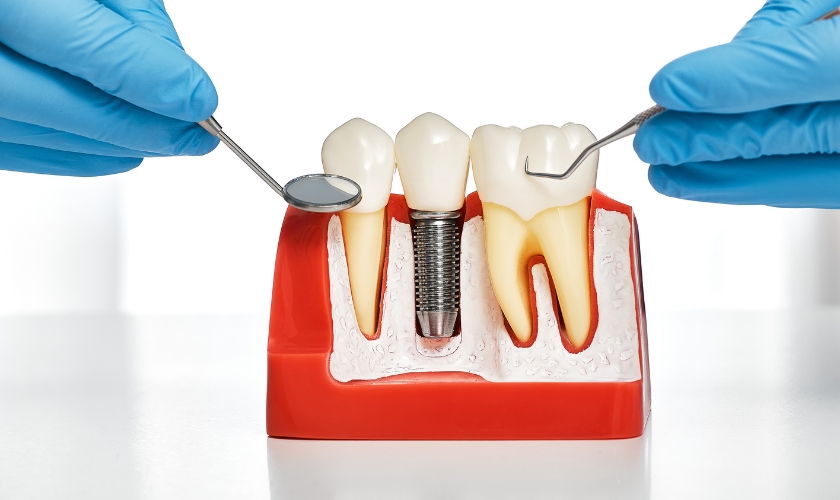
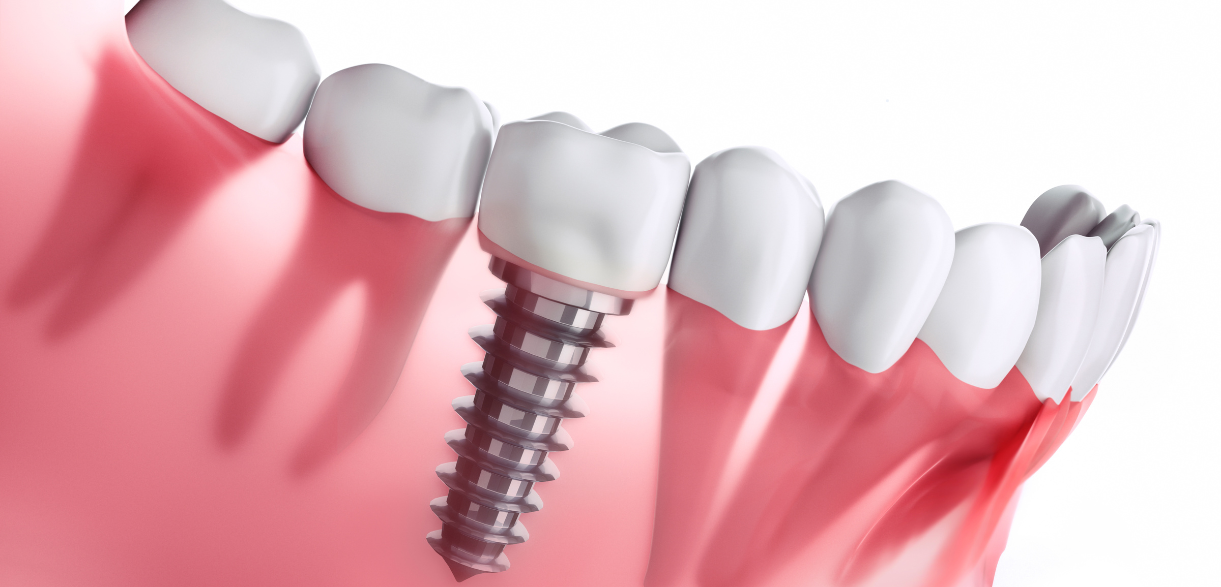
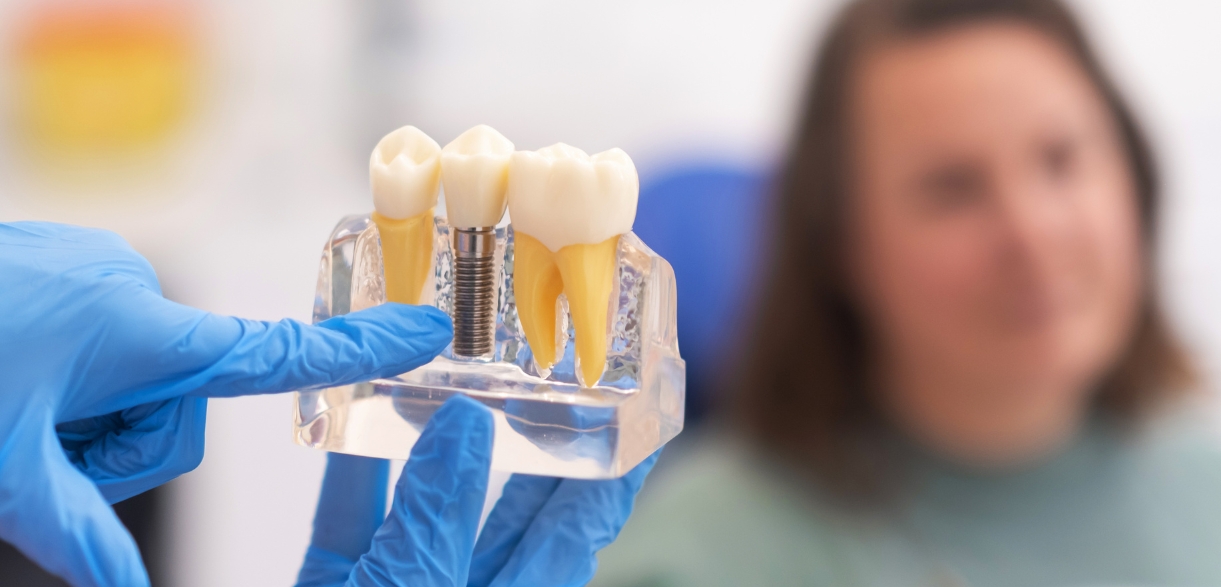
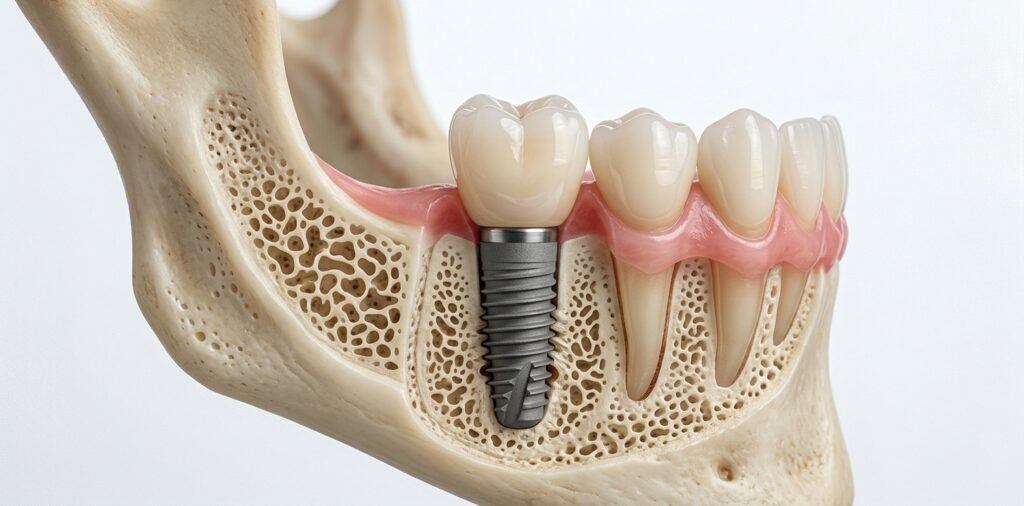
Dental implants function in a similar way to replacement tooth roots, where small titanium posts are surgically inserted into the jawbone to substitute for your tooth roots. Over time, your jawbone will naturally fuse with the implant in a process called osseointegration, and once healed, dental crowns can be added to support new artificial teeth that act much like your own.
Your implant can be used for several purposes:
- Replacing a missing tooth
- Supporting a bridge for missing teeth
- Securing dentures
This is often the case when a patient needs single-tooth implants in Cambridge to replace only a few missing teeth, rather than full mouth implants in Cambridge.
What Health Issues Do Dentists Take Into Consideration?
When considering implant surgery, dentists look for several underlying health conditions that may impact your recovery:
Bone Density
The bone within your jaw needs to be sufficiently strong to support your implant. Bone loss may require additional procedures, such as bone grafting, to re-establish support.
Gum Health
For stability, healthy gums are a requirement before implant insertion. If you have suffered from gum disease in the past, this will likely need to be treated first.
Medical Conditions
Some health conditions impact the body’s healing abilities:
- Diabetes Control
- The state of the immune system
- Specific medications
- Your tendency to smoke.
It is after considering the potential health implications that suitability for treatment is decided.
Benefits of Dental Implants for Older Adults
Many old patients opt for implants because of their stability, compared with dentures, which may not always feel as secure. Advantages include:
- Excellent stability during speaking and eating
- Prevention of jawbone deterioration
- Long-lasting results over many years with adequate care
- You will be able to consume a wider range of foods.
When you have an older person who wants to experience the array of cuisine that Cambridge has to offer, such as the various restaurants and cafes, they can now chew without fear of loose dentures when opting for implants, which are a practical, durable replacement tooth root that stimulates bone.
When Implants Might Need Extra Preparation
Older patients may sometimes need additional preparation before receiving implants.
The most common types of preparations include:
- Bone graft – When more support is needed to place the implant into the jawbone.
- Gum treatment – Existing gum disease can be addressed before implant placement.
- Medical consultation – Patients with certain conditions will need their dentist and their doctor to communicate.
These preparatory methods help the implants function better in the long term.
What Age Groups Commonly Receive Implants
Adults of nearly any age receive dental implants in Cambridge. Many recipients are within one of the following groups:
- Adults in their 40s and 50s replacing damaged teeth
- Adults in their 60s restoring missing teeth from earlier dental issues
- Seniors seeking alternatives to removable dentures
Patients of any age have a high success rate with dental implants when proper treatment planning is undertaken.
Having A Healthy Mouth Helps You Stay Healthy Overall
The absence of teeth does not just cause a noticeable cosmetic change; it can also affect eating function, nutrition, and oral hygiene.
Replacing missing teeth offers the following benefits:
- Maintains your jawbone’s stability and strength
- Keeps adjacent teeth from moving into the space
- Ensures a more comfortable eating experience
- Helps with clearer speech
Oral health maintenance is a critical aspect of an adult’s total well-being, especially in older age. Dental implants can help maintain stability.
Exploring Tooth Replacement Options in Cambridge
Residents who live or work in Cambridge may seek to replace missing teeth to improve comfort and function.
Dental implants are just one form of replacement, but are very commonly chosen for patients who do not wish to wear a removable oral appliance. An assessment will provide a proper indication of whether implants or another method of replacing absent teeth is best suited for each individual.
Considering Long-Term Oral Health Solutions
The replacement of missing teeth does much more than make you look good; it also helps you maintain your oral hygiene and prevents possible deterioration of the jaw.
If you are questioning whether implant restoration is appropriate for you at your current age, the first step is to have a professional assessment. Everyone’s mouth is different, and all patients’ needs are individual and depend on a variety of health factors, not just their age.
Learn More About Dental Implant Options in Cambridge
When discussing tooth replacement options for adults, a professional examination and consultation are paramount for identifying suitable procedures.
At Prospect Dental Group, you will have the opportunity to discuss dental implants in Cambridge and other tooth-replacement options for your specific needs and to promote excellent long-term oral health. Your unique oral condition can be examined during this meeting and discussed so you may receive informed recommendations on all available tooth replacement options for your circumstances.
Common Questions People Ask
Can seniors safely receive dental implants?
Yes, many seniors successfully receive implants. Dentists evaluate bone density, gum health, and medical history rather than age. When oral health conditions are stable, implants often remain a viable treatment option for older adults.
How long do dental implants typically last?
Dental implants are designed for long-term function. With proper oral hygiene and regular dental visits, implants can last many years. The crown placed on the implant may require replacement over time, depending on wear.
Are implants better than dentures for older adults?
Both options have benefits. Implants provide fixed support and stability, while dentures are removable. A dentist evaluates oral health, bone condition, and patient preferences before recommending the most suitable option.
Is the implant procedure painful?
The implant procedure is usually performed with local anesthesia. Most patients report mild discomfort afterward, similar to other routine dental procedures. Your dental professional will explain what to expect during recovery.